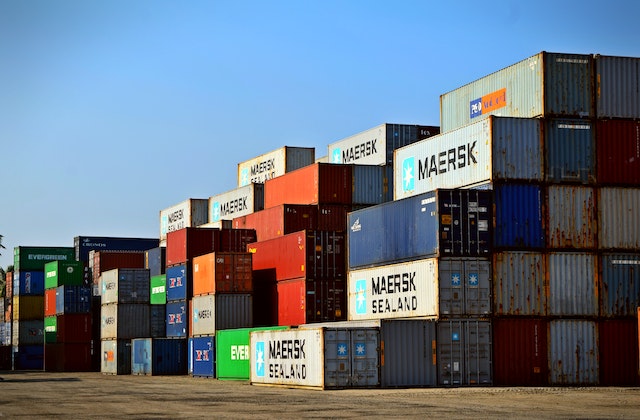
As global trade becomes more unpredictable, building resilience into your supply chain has never been more important. Supply disruptions from tariffs, trade deals, or geopolitical events can interrupt the supply of critical components and finished goods. Companies that rely solely on suppliers operating under just-in-time principles may find themselves unable to secure stock when demand spikes.

BUILDING RESILIENCE THROUGH STOCKHOLDING AND PROCESS OPTIMISATION
Topics: Supply Chain Strategy
NAVIGATING SUPPLY CHAIN UNCERTAINTY IN A WORLD OF TRUMP, TARIFFS, AND TRADE DEALS
In today’s global economy, supply chains face a level of uncertainty that is unprecedented in recent decades. Political factors such as Trump-era tariffs, renegotiated trade deals, and shifting international policies have disrupted traditional sourcing and logistics strategies. Even if you’re not directly involved in imports from affected regions, these shifts can ripple through your supply chain, delaying components, inflating costs, and challenging your operational resilience.
Topics: Supply Chain Strategy
Should I Use An ERP System For Warehouse Management?
Running your warehouse operations through your ERP system can offer benefits like data centralisation and streamlined workflows—but it also comes with several downsides, especially for growing or complex logistics operations.
Topics: Tips, Warehouse Management System, Supply Chain Strategy
Efficiency underpins all successful supply chains. With modern customers and clients expecting rapid fulfilment – and prepared to shop elsewhere if goods don’t arrive quickly enough – every part of the supply chain needs to be meticulously monitored to ensure that products reach their destination on time.
Topics: Supply Chain Strategy
4 Of The Biggest Supply Chain Problems of 2022 And How To Work Around Them
2020 was a pivotal year for global supply chains as Covid-19 wreaked havoc on virtually all aspects of society but, while the shadows of the pandemic linger, other problems have surfaced which continue to present challenges for supply chain managers. In this article, we discuss some of the main supply chain problems and explain how, at LPC International, we can help you to overcome these.
Topics: Supply Chain Strategy
Why Are SMEs Sceptical of Warehouse Automation Strategies?
Automation is revolutionising industries across the globe. But some small and mid-sized enterprises (SMEs) are reluctant to embrace it fully. There's a great deal of potential in automating warehouse environments, for instance, and this would benefit entire supply chains. Yet, small warehouse businesses often fail to understand the types of automation available to them and their benefits.
Topics: Supply Chain Strategy, Warehouse Automation, Warehouse Productivity
How Can You Manage Your Supply Chain To Accommodate Variable Demand?
The Covid-19 pandemic has affected the business world in many ways this year, with companies having to feel their way through rapidly changing circumstances and significant fluctuations in consumer demand for products.
Topics: Supply Chain Strategy
How To Optimise Your Supply Chain Planning To Boost Your Bottom Line
In these difficult economic times, it's even more important for distribution and transport businesses to minimise their outgoings and increase efficiency. One of the most effective ways to do this is to optimise your supply chain management so you can satisfy your customers' requirements in a cost-efficient way. What actions can you take to improve your supply chain planning process?
Topics: Supply Chain Strategy
Own Fleet vs. Carrier – Optimising Your Distribution Solution
The following article is based on a real study carried out for a successful subscription model business. However, the principles apply to any business running a distribution operation comprising own fleet and carriers.
Topics: Supply Chain Strategy, Logistics Planning, Transport Planning
Local Delivery From Sales Premises – Optimising Your Distribution Solution
The following article is based on a real study carried out for businesses with country wide sales premises. However, the principles apply to any business with multiple distribution centres than need rationalising.
Topics: Supply Chain Strategy, Logistics Planning, Transport Planning